Pterygium (Surfer’s Eye) Removal
& Treatment
Advanced, Auto-Graft Vision Restoration and Growth Management in Summerlin.
Pterygium treatment, commonly referred to as surfer’s eye removal, is a medical procedure to safely excise a non-cancerous, flesh-like tissue growth that develops on the conjunctiva and invades the cornea. Performed by board-certified ophthalmologist Dr. Eissa Hanna at Precise Sight in Summerlin, Las Vegas, NV, this advanced outpatient surgery utilizes suture-free tissue auto-grafting to restore a smooth ocular surface and minimize recurrence.
Understanding Pterygium: Causes, Symptoms, and Climate Triggers
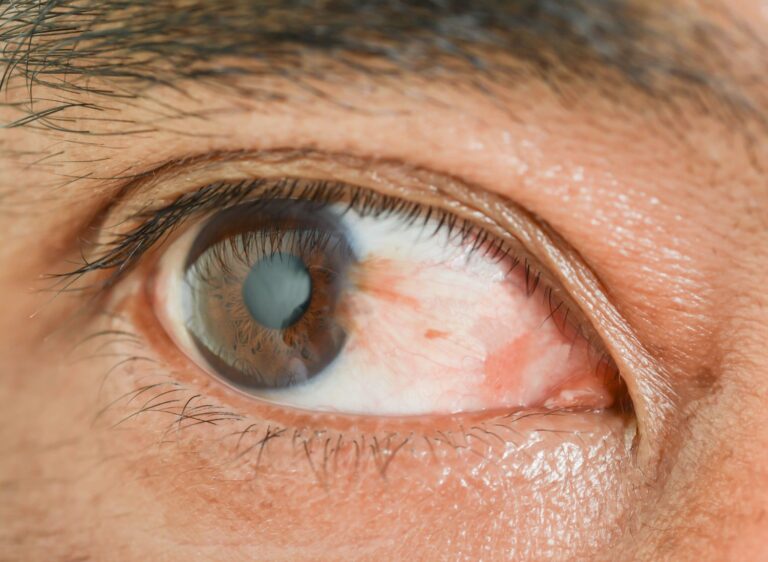
A pterygium is a progressive, triangular or wing-shaped growth of fleshy tissue that starts on the clear white part of the eye (the conjunctiva) and can slowly expand until it grows over the clear front window of the eye (the cornea). While its casual nickname is “surfer’s eye,” you do not need to be a surfer to develop this condition.
The primary physiological triggers for a pterygium are chronic exposure to severe ultraviolet (UV) radiation, environmental wind friction, and airborne irritants. In the high-heat, low-humidity desert climate of the Las Vegas Valley, our population faces continuous environmental exposure. The intense Nevada sun and dry desert winds cause persistent ocular surface inflammation and cellular changes.
When left unprotected, the eye attempts to defend itself by producing a localized calloused layer of vascular tissue. As this surfer’s eye growth expands, it causes chronic eye redness, constant burning, a gritty foreign body sensation, and cosmetic discomfort. If the tissue grows large enough to cross into the center of the cornea, it can warp the eye’s natural curvature—inducing severe astigmatism—and physically block light from entering your pupil, blurring your vision.
Non-Surgical Therapies and Early Intervention Protocols
In its early stages, a pterygium may appear as a minor, slightly elevated pink bump that does not actively threaten your visual acuity. During this phase, Dr. Justin Hart and Dr. Eissa Hanna prioritize conservative medical therapies to keep the tissue calm and slow down its progression:
Targeted Lubrication Protocols:
The use of advanced, preservative-free artificial tears and lubricating ointments to counteract the desert dry air, minimizing the surface friction that triggers tissue replication.
Anti-Inflammatory Therapeutics:
Short-term prescription steroid or non-steroidal anti-inflammatory eye drops to immediately clear away chronic blood vessel redness and reduce painful swelling during environmental flare-ups.
Rigorous Environmental Risk Isolation:
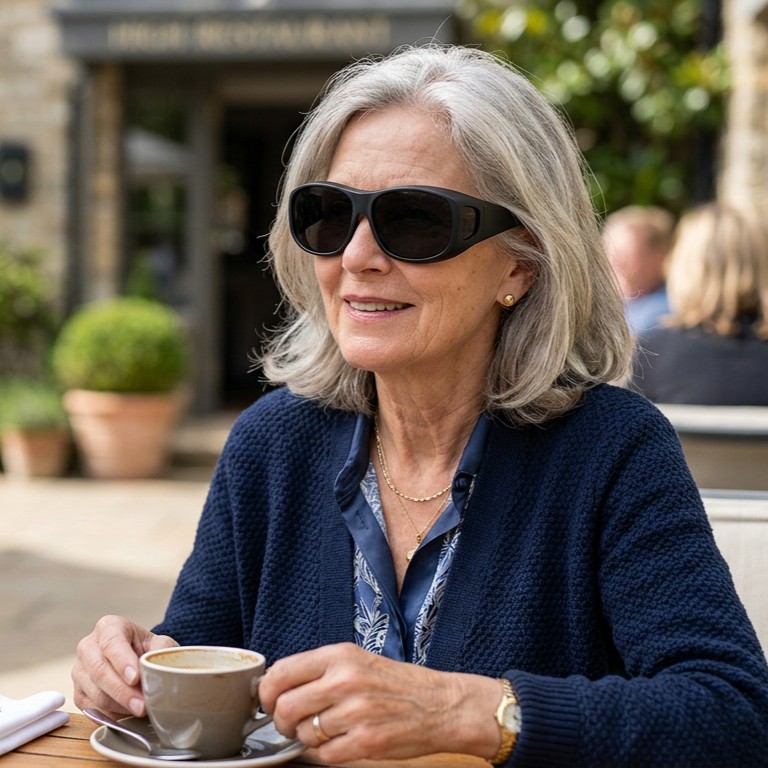
Mandatory daily use of wrap-around sunglasses that provide 100% UV-A and UV-B blocking, paired with hats to shield the eyes from dust, wind, and reflective desert glare.
What to Expect During Advanced Surfer's Eye Surgery
When a pterygium causes chronic pain, resists conservative therapy, or begins creeping toward your central cornea, surgical removal is medically required. Historically, traditional surfer’s eye surgery carried a notoriously high recurrence rate—often exceeding 50%—where the tissue would aggressively grow back, sometimes larger than before.
To combat this, Dr. Hanna performs an advanced Conjunctival Autograft Surgery utilizing modern stitch-free techniques at our Summerlin facility.
The procedure is performed entirely as a comfortable outpatient surgery under localized numbing drops and light sedation.
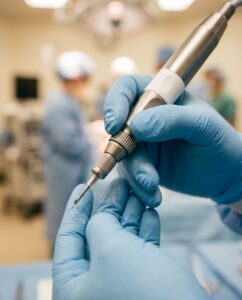
Dr. Hanna carefully lifts and separates the wing-shaped pterygium growth away from the delicate layers of the cornea and sclera.
Once the growth is cleared, a tiny, healthy piece of tissue is gently harvested from beneath your own upper eyelid. Dr. Hanna places this healthy tissue graft directly over the bare surgical site. Instead of using traditional, irritating micro-stitches that cause scratching and inflammation, we secure the tissue using a state-of-the-art biocompatible fibrin tissue adhesive. This advanced medical glue eliminates stitch pain, speeds up structural healing, and acts as a physical cellular barrier that drops pterygium recurrence rates down to historic lows. The entire process takes less than 30 minutes.
Healing and Vision Stabilization Following Pterygium Excision
Utilizing stitch-free tissue adhesive significantly accelerates your initial healing path compared to legacy surgical methods:
The First 24 to 48 Hours
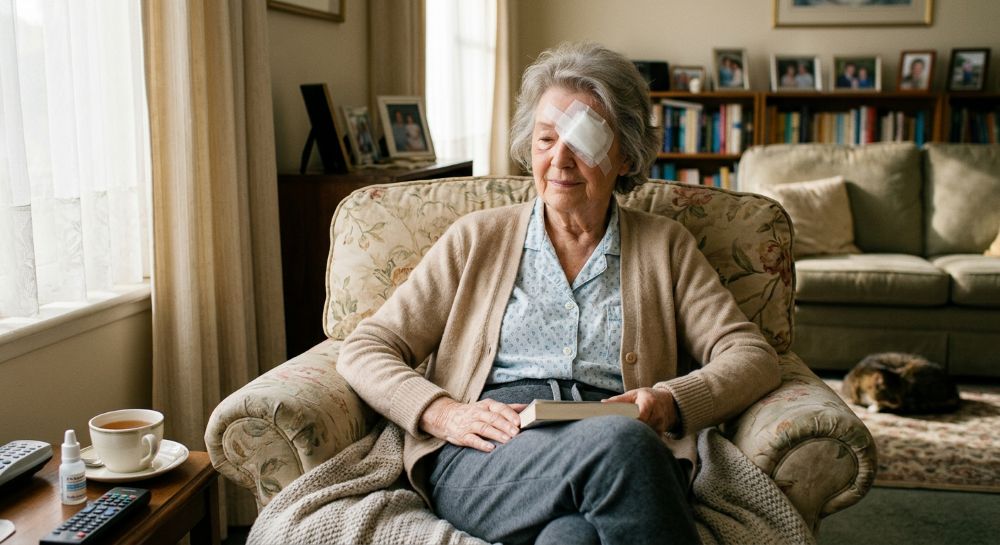
The eye will be protected by a clear shield or a specialized therapeutic bandage contact lens. It is completely normal to experience localized redness, a mild scratchy sensation, and light blurriness. Prescription antibiotic and steroid eye drops are started immediately.
The First Week
Standard daily reading and light office or computer work can be resumed within a couple of days. Patients must strictly avoid getting tap water directly in the eye, swimming, or dusty environments to prevent infection.
Full Healing (Weeks 2 to 4)
The eye’s natural color profile normalizes, and the tissue graft completely blends into the surrounding conjunctiva. Your prescription anti-inflammatory drops will be gradually tapered off under close clinical observation.
Quantifiable Safety Parameters and Recurrence Ratios
Relying on advanced autograft techniques and tissue adhesives allows our clinical team to maintain exceptional surgical outcomes and visual comfort for patients across Southern Nevada.
Under 5% Recurrence Rate:
Achieved by combining meticulous microscopic removal with conjunctival autografting and advanced fibrin tissue adhesive.
50% and Higher Legacy Risk:
The documented failure rate associated with outdated “bare sclera” removal techniques that did not utilize a protective tissue graft.
Under
30 Minutes:
The efficient, outpatient timeline required to complete a custom, suture-free surfer’s eye excision.
A Meticulous Standard for Ocular Surface Restoration
"Living in the Las Vegas desert means your eyes are constantly battling UV rays, wind, and dust—the exact environment that feeds a pterygium. We don't just treat this growth as a cosmetic concern. By using advanced conjunctival autografting and modern tissue glue instead of painful stitches, we can safely clear the corneal pathway, minimize tissue irritation, and prevent the growth from coming back, keeping your vision clear and comfortable."
— Dr. Eissa Hanna, MD